
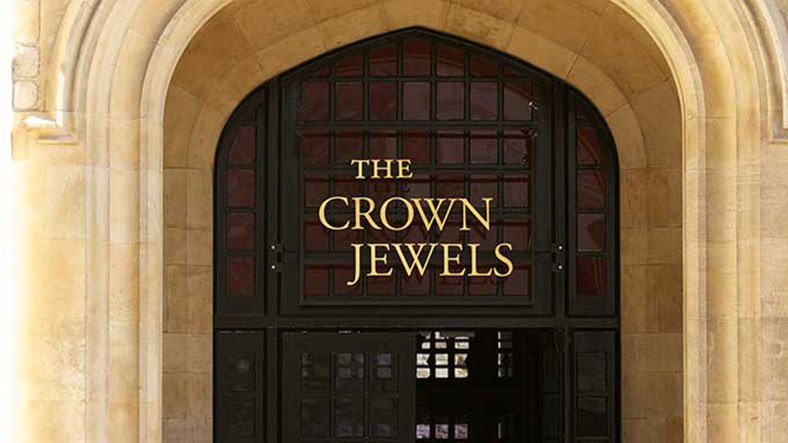
On a family visit to the Tower we spent about three and a half hours exploring, including the Crown Jewels. The Jewel House is part of a regular Tower of London admission ticket; you do not need a separate Crown Jewels ticket. Allow time for the rest of the fortress too, and check the official calendar before you choose a day.
Our Tower of London guide covers the wider site. This page focuses on tickets, the Jewel House and how to plan your visit.
Tickets and opening times for the Crown Jewels
Standard Tower of London admission includes the Crown Jewels exhibition. Check Historic Royal Palaces’ current ticket prices for your visit date, including child and concession rates. If you are comparing a London Pass, confirm its current Tower inclusion and reservation requirements before buying.
Opening hours, last entry and Yeoman Warder tour times vary by date. Use the official Tower calendar and check for closures. A third-party “skip the line” ticket does not remove the security check or guarantee that there will be no queue at the Jewel House.

Getting to the Tower of London & Crown Jewels
The Tower of London, London EC3N 4AB, (see on Google Maps) is located within easy walking distance of several mainline stations, including:
- Around 5 minutes on foot from Tower Hill Underground station.
- Around 10–15 minutes from London Bridge or Fenchurch Street stations.
- Around 20 minutes from Liverpool Street and 25 minutes from Charing Cross.
See the official getting-here guide for routes and accessibility information.

You can also travel by river boat. Tower Pier is served by river boats travelling from various piers including Westminster and London Eye and is located next to the Tower entrance.
Visiting the Crown Jewels & Tower of London
To give you an idea, the last time we visited the Tower of London and the Crown Jewels, it took us around 3 hours and 30 minutes to see everything. It was a day that it wasn’t too busy, but we had our little ones with us, so we walked slowly… 🙂
The Crown Jewels are located in the building known as “Jewel House” (did you expect a different name?) built in 1994 on the specially restored ground floor of the Waterloo Block of the Tower of London, near the centre of the Tower, next to the Chapel of St. Peter Ad Vincula Royal. See Tower of London Map.
The time needed at the Jewel House depends on demand. Leave flexibility in your route so you can join the queue when it is shorter and still enjoy the White Tower and other areas.
Once inside, the display is organised to follow the same order in which the jewels are used in the coronation ceremony. A slow-moving conveyor mechanism around the Jewels prevents overcrowding in front of the display cases containing the precious masterpieces. (Yes, they got tired of asking people to “keep moving, please!”).
When is the best time to visit the Crown Jewels?
At weekends and during school holidays we would start early and consider going to the Jewel House before the other buildings. Queue lengths vary, so check staff advice on the day. Allow at least two hours for the Tower as a whole, and longer if you want to explore at an easy family pace.
If you have a choice, I would recommend going during the week and avoiding the weekend if possible.
For dates, tickets and what admission includes, see the official Tower visitor information.
The Crown Jewels: a working royal collection
The Crown Jewels, part of the Royal Collection, are the most powerful symbols of the British Monarchy and hold deep religious and cultural significance in our nation’s history. The mystique and beauty of the diamonds and precious jewels in the royal regalia have always held an unparalleled allure to visitors from across the globe.
The collection includes objects used in coronations and other state ceremonies. Exhibits can change when items are in use; check the current Jewel House information if you hope to see a particular piece.

You’ll find the Crown Jewels under armed guard in the Jewel House at the Tower of London. These gems are a unique working collection of royal regalia and are still regularly used by royalty for important national ceremonies, such as the State Opening of Parliament. Make sure to look out for the ‘in use’ signs.
Coronation ceremonies have occurred in Westminster Abbey since 1066, the great church founded by Edward the Confessor. The displays examine how the royal regalia are used during the ceremony and explore the symbolism of each object. Much of the medieval regalia was destroyed after the Civil War; many pieces used today were made for Charles II’s coronation in 1661. They signify the royal authority to lead and protect the nation. (Source: Royal Collection Trust Home – https://www.rct.uk/ )

Hi, we are Alberto and Amy, the London locals behind PlanTrip London. We’ve lived in London since 2010 and have spent every year since exploring the city, from its famous landmarks to the markets, pubs, parks and hidden corners most visitors never find. Over the years we became the go-to trip planners for friends and family visiting London, so we created this site to share the same first-hand, tried-and-tested advice with you. Every itinerary, tip and recommendation here comes from our own experience with our two children, so you can plan a London trip that’s easier, better value and far more memorable.