
This is the list of London sights we return to when friends or family ask what they should prioritise on a first visit. Some are famous landmarks you can enjoy for free from outside; others are paid attractions that are worth booking when they match your interests.
Our main advice is not to try to tick off everything in one trip. Choose the places you genuinely want to see, group nearby attractions together and book timed visits in advance when necessary. That gives you more time to enjoy London instead of spending the day crossing the city or standing in queues.
We often recommend seeing London from both the road and the river on a first visit. A sightseeing bus helps you understand how the central neighbourhoods connect, while a Thames cruise gives a completely different view of landmarks such as Parliament, St Paul’s Cathedral, the Tower of London and Tower Bridge. Some paid bus tickets include a one-way cruise, so check the exact package rather than assuming the boat journey is free.
Big Ben and the Houses of Parliament
Big Ben is the nickname of the Great Bell inside the Elizabeth Tower, although the name is commonly used for the whole clock tower. 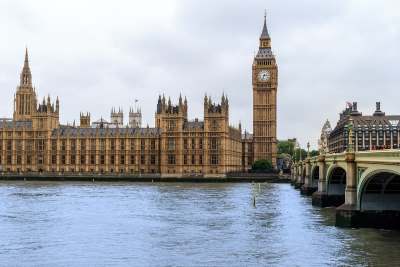 The classic view is from Westminster Bridge or the opposite bank beside the London Eye.
The Palace of Westminster is a working parliament building, but guided tours are available on selected dates and must be booked separately. Check the official Parliament tours page.
Our Buckingham Palace to Covent Garden itinerary passes Parliament, Westminster Abbey and several other first-time highlights.
London Eye
Opposite Big Ben on the South Bank, 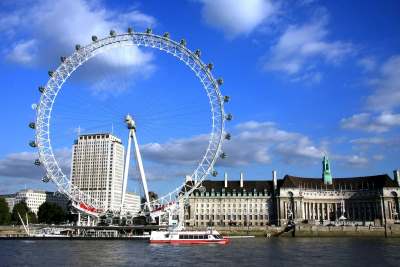 the London Eye is 135 metres high and gives particularly good views of Parliament, Westminster Abbey, Buckingham Palace and the central parks. One rotation takes approximately 30 minutes.
The time printed on a standard ticket is normally the time you join the queue rather than the exact boarding time. On quiet days, the operator advises allowing roughly 20–30 minutes for the standard queue and 5–10 minutes for Fast Track, with longer waits at peak times. Booking online is normally cheaper than paying the walk-up price.
Westminster Abbey
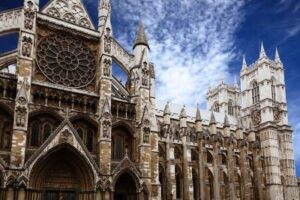 Westminster Abbey has hosted every coronation since 1066 and is the burial place or memorial site of many major figures in British history. You can admire the exterior for free, but the interior visit reveals the Coronation Chair, Poets’ Corner, royal tombs and medieval architecture.
Allow approximately 90 minutes to two hours. Standard admission includes the Abbey’s multimedia guide, and timed tickets are sensible during busy periods. Read our updated Westminster Abbey guide.
Buckingham Palace
Seeing Buckingham Palace, the Victoria Memorial and The Mall from outside is free throughout the year. The Changing of the Guard is also free, but it does not happen every day and can be altered at short notice, so check the official calendar.
The Palace interior is seasonal. The State Rooms usually open during the summer, with selected guided tours at other times. The Royal Mews and The King’s Gallery have separate tickets, dates and opening arrangements; the Gallery’s name changed from The Queen’s Gallery in 2024.
Visiting Buckingham Palace: dates, tickets and practical advice
Trafalgar Square and the National Gallery
Trafalgar Square is home to Nelson’s Column, the four bronze lions and the changing contemporary artwork on the Fourth Plinth. It also hosts public celebrations and seasonal events, including London’s Christmas tree from Norway.
The National Gallery stands on the north side of the square and its permanent collection is free. It is an easy addition to a central London day, even if you only have time to choose a few rooms.
St Paul’s Cathedral and Millennium Bridge
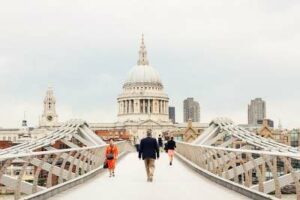 Sir Christopher Wren’s present cathedral was built after the Great Fire of London. Admission includes the cathedral floor, crypt, multimedia guide and access to the Stone and Golden Galleries when they are open. The Whispering Gallery can also be visited again, subject to operational conditions.
For the classic photograph, cross the pedestrian Millennium Bridge from Bankside and look back towards the dome. The bridge links St Paul’s with Tate Modern and Shakespeare’s Globe.
Shakespeare’s Globe and Tate Modern
Shakespeare’s Globe is a modern reconstruction inspired by the open-air theatre associated with Shakespeare’s company. You can attend a performance or join a guided theatre tour; current guided tours include access to the Globe exhibition.
Tate Modern is a short walk away in the former Bankside Power Station. Entry to the main collection is free, while special exhibitions require tickets. Together with Millennium Bridge and St Paul’s, these attractions form one of the easiest walking combinations in central London.
Shakespeare’s Globe tickets and tours
Tower Bridge
Tower Bridge is the famous blue bascule bridge often confused with London Bridge. Crossing the road-level bridge on foot is free, but the paid Tower Bridge visitor experience gives access to the high-level walkways, glass floors and Victorian Engine Rooms.
Combine it with the Tower of London, then walk west along the Thames past HMS Belfast, Borough Market, The Shard, Shakespeare’s Globe and Tate Modern. Our City, Tower Bridge and South Bank itinerary maps the route.
Tower of London
The Tower of London is one of the attractions we most often recommend to first-time visitors and families. Highlights include the Crown Jewels, the White Tower, medieval palace rooms, ravens and the stories of the people who lived and died within the fortress.
Allow at least two to three hours. Yeoman Warder tours are included with admission and normally leave every 30 minutes, although the schedule can change. The New Armouries Café is the principal place to eat inside the walls.
The Tower is included with some sightseeing passes, but a pass does not always provide a dedicated queue or guaranteed immediate entry. Compare the pass cost with separate tickets and check current admission instructions.
British Museum
The British Museum covers cultures and histories from around the world. Its permanent collection is free, but booking a free timed ticket is recommended if you want to guarantee admission at a particular time.
Do not try to see every gallery in one visit. Pick two or three areas, such as ancient Egypt, Assyria, Greece and Rome, and use the current museum map. The Rosetta Stone and Lewis Chessmen are useful anchors for a first route. See our detailed British Museum guide.
Natural History Museum
The Natural History Museum is free and particularly good for families, but advance booking is recommended because walk-in admission depends on capacity. It opens daily from 10.00 to 17.50, with last entry at 17.30, although it closes on selected dates.
Highlights include Hintze Hall, the dinosaur galleries, Earth Hall, minerals and wildlife displays. The museum sits in South Kensington beside the Science Museum and Victoria and Albert Museum, making it easy to choose a second museum nearby rather than crossing London.
Plan your Natural History Museum visit
The View from The Shard
The Shard is the tallest building in the UK, and its viewing attraction occupies Levels 68, 69 and the open-air Level 72. The best nearby views are of Tower Bridge, the Tower of London and the City, while Westminster appears farther away.
Tickets use dynamic pricing, and eligible paid tickets include a View Guarantee for poor visibility. Read our updated View from The Shard guide before booking.
The View from The Shard tickets
Hyde Park and Kensington Gardens
Hyde Park and Kensington Gardens sit side by side but are separate Royal Parks. Together they offer a large green break from sightseeing. Highlights include the Serpentine, Diana Memorial Fountain, Speakers’ Corner, the Albert Memorial, Kensington Palace and the Peter Pan statue.
Do not expect to cover every part in a short visit. Choose the section that fits the rest of your day—for example, Kensington Gardens with the museums and palace, or eastern Hyde Park with Marble Arch and Oxford Street.
Royal Albert Hall
The Royal Albert Hall is one of London’s best-known concert venues. Check the performance calendar if you would like to attend a concert, or join a guided tour to see the auditorium and learn about the building.
The BBC Proms take place here each summer. Same-day standing Promming tickets were £8 including fees in 2026, but prices and procedures should be checked for the season in which you visit.
Warner Bros. Studio Tour London – The Making of Harry Potter
The Harry Potter Studio Tour is in Leavesden, outside central London, rather than in the city centre. 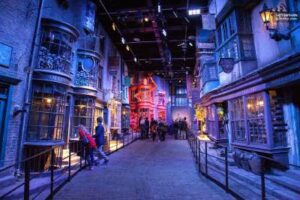 Tickets must be booked in advance and popular dates can sell out months ahead.
You can travel independently by train to Watford Junction and use the official shuttle, or buy a package with coach transport from central London. Always compare whether a package includes the Studio ticket, transport or both.
Harry Potter Studio Tour with transport
How to fit London’s must-sees into your trip
Plan geographically rather than ranking every attraction. Westminster, Buckingham Palace and Trafalgar Square combine well; the Tower of London, Tower Bridge, Borough Market and Bankside form another natural day; South Kensington’s museums work well with Hyde Park and Kensington Gardens.
A hop-on hop-off bus can be useful on the first day, but compare routes and inclusions carefully. A river cruise included in a paid bus package is part of the ticket value, not a separate free attraction.
If you plan several paid attractions, compare one of London’s sightseeing passes with the cost of individual tickets. Passes can save money on the right itinerary, but they do not guarantee queue-free entry, and several popular attractions require advance reservations.

Hi, we are Alberto and Amy, the London locals behind PlanTrip London. We’ve lived in London since 2010 and have spent every year since exploring the city, from its famous landmarks to the markets, pubs, parks and hidden corners most visitors never find. Over the years we became the go-to trip planners for friends and family visiting London, so we created this site to share the same first-hand, tried-and-tested advice with you. Every itinerary, tip and recommendation here comes from our own experience with our two children, so you can plan a London trip that’s easier, better value and far more memorable.